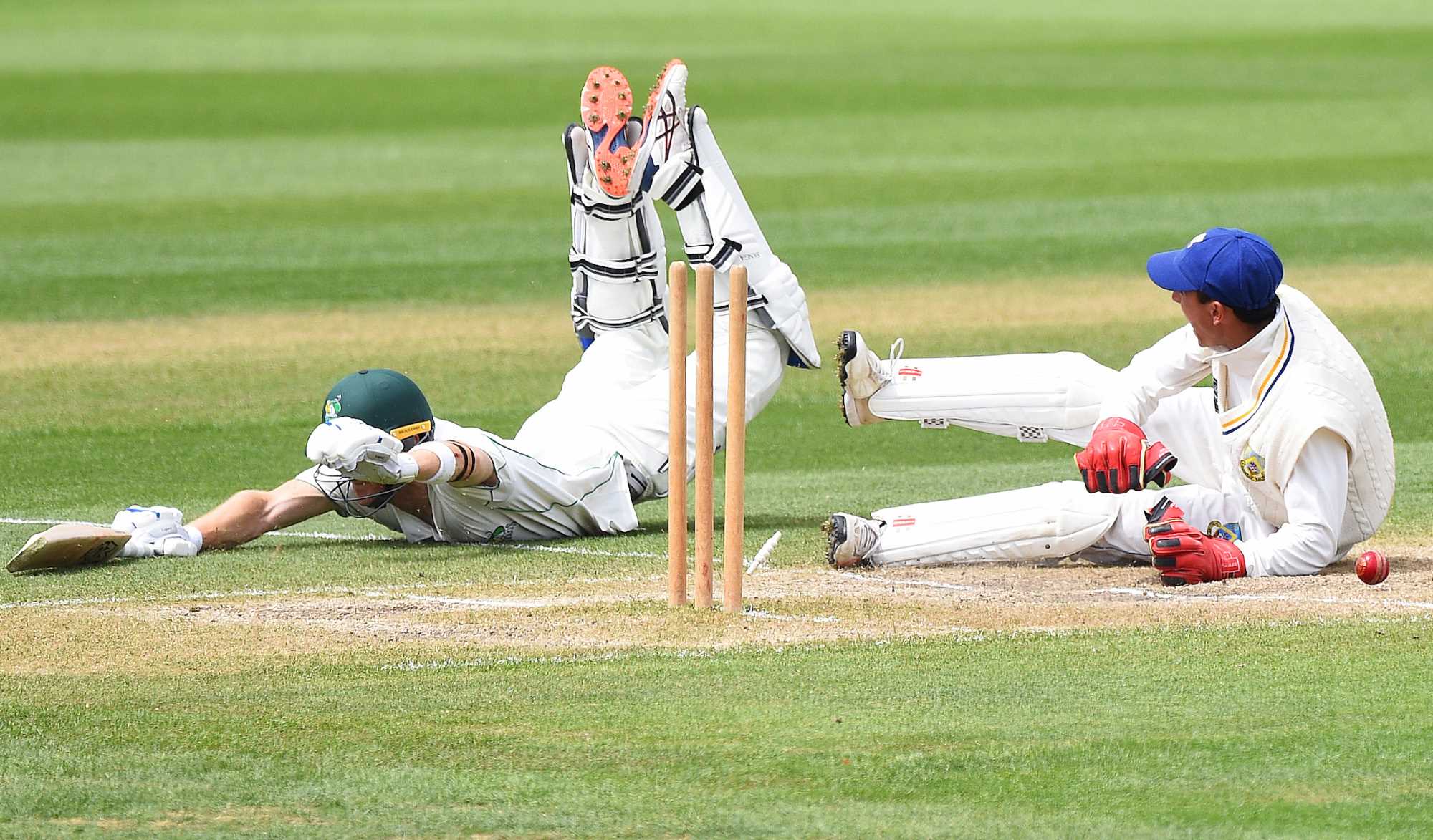
Are you fascinated by the strategic depth of Test cricket? One crucial aspect that adds complexity to the game is the follow-on rule. This rule allows a team to force their opponents to bat again immediately if they have a significant lead after the first innings. Understanding this rule is vital for appreciating the game’s nuances. By forcing the opposing team to bat again, the team batting first can potentially win the match without batting twice. The decision to enforce the follow-on is tactical and can significantly impact the game’s outcome.
As you delve into the world of Test cricket, grasping the follow-on rule will enhance your viewing experience. It’s a unique aspect that sets Test cricket apart, making it a thrilling spectacle for fans in India and around the world.
What Is the Follow-On Rule in Test Cricket?
You’re about to dive into one of the most critical rules in Test cricket – the follow-on rule. This rule is fundamental to understanding the strategic nuances of the game.
Definition and Basic Concept
The follow-on rule, as defined under Law 14 of the Laws of Cricket, allows the team batting first to force the opposing team to bat again if they are significantly behind in the score. In a five-day Test match, the team batting first can enforce the follow-on if they have a lead of at least 200 runs after the first innings.
The Purpose Behind the Rule
The purpose behind the follow-on rule is multifaceted. It aims to achieve two primary objectives:
Time Management in Test Matches
By enforcing the follow-on, a team can potentially save time and increase its chances of winning the match. This is particularly important in Test cricket, where the duration of the game can be affected by various factors such as weather conditions.
Creating Result-Oriented Cricket
The follow-on rule also encourages result-oriented cricket by penalizing teams for poor batting performances. It gives the team batting first a strategic advantage, allowing them to put pressure on the opposing team. In essence, the follow-on rule is a strategic tool that can significantly influence the outcome of a Test cricket match. Understanding this rule can enhance your appreciation of the game and its intricacies.
Run-out Rules In Cricket: What You Need to Know in Cricket
The Complete Test Cricket Rules: Follow-On Explained
The ICC playing conditions provide a clear guideline on when a team can enforce the follow-on in test cricket. This rule is pivotal in the strategy of the game, particularly in longer formats like test cricket.
Official ICC Playing Conditions
The ICC’s official playing conditions outline the specific criteria for enforcing the follow-on. These conditions are designed to ensure fairness and competitive balance in the game.
Lead Requirements for Different Match Lengths
The lead required to enforce the follow-on varies depending on the length of the test match. Understanding these requirements is crucial for captains and teams.
Five-Day Test Matches
In five-day test matches, a team needs to have a lead of at least 200 runs to enforce the follow-on. This threshold is set to balance the advantage of having a significant lead with the possibility of a comeback by the opposing team. For shorter test matches, such as four-day or three-day matches, the required lead is less. Specifically, a lead of 150 runs is required for these shorter formats. This adjustment reflects the shorter duration and the increased impact of a significant lead.
To calculate whether a team can enforce the follow-on, you simply subtract the second team’s score from the first team’s score and compare it to the required lead. For instance, in a five-day test, if the first team scores 400 and the second team is bowled out for 150, the first team has a lead of 250 runs, exceeding the 200-run threshold, thus qualifying to enforce the follow-on.
The Historical Evolution of the Follow-On Rule
As you explore the history of Test cricket, you’ll find that the follow-on rule has undergone significant changes. The follow-on rule originated in the early days of Test cricket as a means to prevent dull draws and encourage result-oriented matches.
What is the Maximum Age Limit for the Cricket World Cup
Origins in Early Cricket
The concept of follow-on was introduced to ensure that a team with a significant lead could force their opponents to bat again, potentially leading to a result rather than a draw. This rule was crucial in the formative years of Test cricket.
Major Changes Over the Decades
Over the years, the follow-on rule has seen adjustments, particularly in the required lead for enforcing a follow-on, which varies based on the match length. For instance, in a five-day Test, the team batting first needs to have a lead of at least 200 runs to enforce the follow-on.
How Indian Cricket Has Utilized the Rule
Indian cricket has witnessed memorable instances of the follow-on rule being enforced, with some matches ending in dramatic comebacks. The strategic decision to enforce a follow-on often rests with the captain, who must weigh the advantages and risks based on factors like the state of the pitch and the weather.
Strategic Considerations for Enforcing a Follow-On
The decision to enforce the follow-on is multifaceted, involving a delicate balance of advantages and risks. When a team enforces the follow-on in Test Cricket, they are essentially asking the opposing team to bat again, potentially gaining a strategic advantage.
Advantages of Enforcing the Follow-On
One of the primary advantages is maintaining momentum. By enforcing the follow-on, a team can keep the opposition under pressure, potentially leading to a quicker resolution to the match.
Maintaining Momentum
Maintaining momentum is crucial in Test Cricket, as it can demoralize the opposing team and make it difficult for them to recover.
Time Conservation
Another significant advantage is time conservation. By reducing the number of innings, a team can save time, which is particularly valuable in longer Test matches.
What are the Actual Turf Cricket Rules to Follow
Risks and Disadvantages
However, enforcing the follow-on also carries significant risks. One of the main concerns is bowler fatigue. Continuous bowling can exhaust the bowling attack, potentially leading to a decline in performance.
Bowler Fatigue
Bowler fatigue can be a critical factor, especially in matches where the bowling attack is already under strain.
Weather and Pitch Factors in Indian Conditions
Indian conditions, known for their unpredictable weather and varying pitch behavior, add another layer of complexity to the decision-making process. Captains must carefully consider these factors when deciding whether to enforce the follow-on.
Famous Follow-On Moments in Test Cricket History
Test cricket is replete with instances where the follow-on rule has led to historic turnarounds. You have witnessed some of the most thrilling moments in the sport, and the follow-on rule has been at the center of many such instances.
India vs Australia at Eden Gardens (2001)
One of the most iconic moments in Test cricket history is India’s victory against Australia at Eden Gardens in 2001. After being forced to follow-on, India staged an incredible comeback.
Laxman and Dravid’s Historic Partnership
VVS Laxman and Rahul Dravid’s partnership is etched in memory as one of the greatest batting performances. Their unyielding partnership turned the match around, leading India to a famous victory.
Box Cricket Rules: Everything You Need to Know
England vs Australia at Headingley (1981)
Another memorable instance is England’s victory against Australia at Headingley in 1981. Ian Botham’s all-round heroics turned the match around after England were forced to follow on.
Other Memorable Follow-On Matches Involving India
India has been part of several memorable follow-on matches. These instances highlight the competitive spirit of the team and the unpredictable nature of Test cricket. Understanding these moments enhances your appreciation of the game, showcasing the drama and excitement that the follow-on rule can bring to Test cricket.
How Your Understanding of Test Cricket Rules: Follow-On Can Enhance Your Viewing Experience
As you delve into the world of Test cricket, understanding the follow-on rule can significantly enhance your viewing experience. By grasping the intricacies of this rule, you can gain a deeper appreciation of the strategic decisions made by captains during a match.
Recognizing Captain’s Decision-Making Process
Captains consider various factors when deciding whether to enforce the follow-on, including the lead required, pitch conditions, and weather forecasts. You can enhance your viewing experience by recognizing these factors and understanding how they influence the captain’s decision.
Appreciating the Tactical Battle
The follow-on rule is a crucial aspect of the tactical battle between the batting and bowling teams. By understanding this rule, you can appreciate the nuances of the game, such as the importance of
Statistical Insights on Follow-On Outcomes
Statistical analysis reveals that teams enforcing the follow-on have a higher win percentage.
- Teams enforcing the follow-on win approximately 60% of the time.
- The success rate of the follow-on varies depending on the length of the Test match and the conditions.
- Understanding these statistics can provide valuable insights into the strategic decisions made by captains.
Understanding the Dead Ball Rule in Cricket
Conclusion
You now understand the intricacies of the follow-on rule in Test cricket, a rule that adds a layer of strategy and drama to the game. The follow-on rule remains an integral part of Test cricket playing conditions, embodying the format’s complexity and tactical depth. As you watch Test cricket matches, you can appreciate the captain’s decision-making process when considering whether to enforce the follow-on rule in cricket. The test cricket rules surrounding the follow-on are designed to create a competitive balance, and understanding these rules enhances your viewing experience. You can recognize the advantages and risks associated with enforcing a follow-on, making the game more engaging. The follow-on rule continues to be a fascinating aspect of Test cricket, making it a compelling aspect of the game for players and spectators alike.
As the game evolves, the follow-on remains a powerful tool in a captain’s arsenal, capable of turning the tide of a match. Its enduring presence is a testament to the richness of Test cricket.

I’m a cricket analyst and passionate storyteller, decoding the game beyond the scoreboard. With sharp insights, match breakdowns, and a deep love for the sport, he delivers crisp, factual, and fan-first content trusted by cricket readers worldwide.