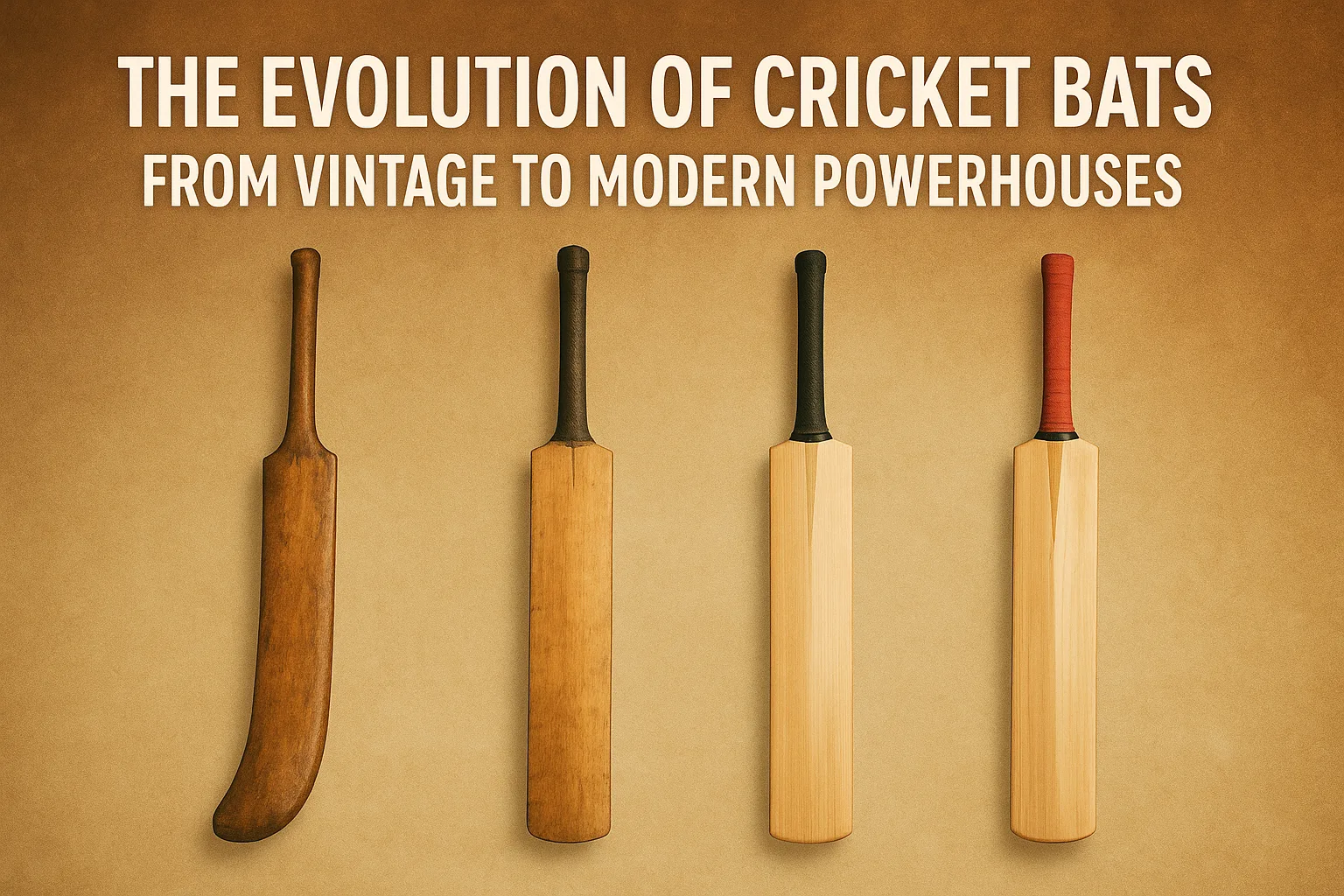

You’ve likely noticed how much cricket equipment has changed over the years, especially the cricket bat. The transformation from a simple, hockey-stick-shaped tool to a modern, high-tech marvel is fascinating. The history of cricket bats dates back to the early 17th century, with the first recorded mention in 1624. Since then, the design and materials used have undergone significant changes, shaping the game into what it is today. As you explore this article, you’ll gain insight into the development of cricket bats, from their early beginnings to the current state-of-the-art designs. You’ll learn about the key milestones and innovations that have influenced the sport.
The Historical Beginnings of Cricket Bats
Understanding the historical context of cricket bats provides insight into their development. The cricket bat has a rich history that dates back to the 16th century, with its design and materials evolving significantly over time. Early cricket bats resembled hockey sticks, made from a single piece of wood, often willow or ash. These primitive bats were curved in shape, which was suitable for the game’s early rules and playing style. The curved shape allowed batsmen to hit the ball, which was pitched underarm, with a more controlled motion.
Colonial Era Transformations: 18th-19th Century
The 18th century saw significant changes in cricket bat design. The introduction of flat-faced bats and the standardization of bat width marked a pivotal shift. The flat face enabled batsmen to hit the ball more effectively, and the standardized width ensured consistency across different bats. These changes were influenced by the evolving rules of the game and the growing popularity of cricket in the colonial era.
The Evolution of the Cricket Bat Through the Ages
The cricket bat has undergone a remarkable evolution, shaped by centuries of innovation and technological advancements. As you explore the history of cricket, you’ll notice that the bat has transformed significantly, influenced by changing player needs and technological breakthroughs.
Revolutionary Shape Changes: From Curved to Straight
In the early days of cricket, bats were curved, much like hockey sticks. However, as the game evolved, so did the bat’s shape. By the 18th century, bats began to take on a more straight shape, allowing for better stroke play and more powerful shots. This change revolutionized the game, enabling batsmen to play a wider range of shots.
Masuri Cricket Helmet Review: Enhance Your Performance
- Curved bats gave way to straight bats for improved stroke play.
- The straight shape allowed for more powerful shots and better control.
- This design change had a significant impact on the game’s dynamics.
Material Innovations: English Willow vs. Kashmir Willow
Modern cricket bats are primarily made from two types of willow: English willow and Kashmir willow. English willow is prized for its lightweight and responsive nature, making it the preferred choice for professional players. Kashmir willow, on the other hand, is denser and more affordable, offering a viable alternative for amateur cricketers.
- English willow bats are lightweight and highly responsive.
- Kashmir willow bats are denser and more budget-friendly.
- The choice between English and Kashmir willow depends on player preference and budget.
Handle and Grip Developments
The handle and grip of the cricket bat have also seen significant developments. The introduction of separate handles and the use of a cane for grip in the 19th century marked a notable improvement. Modern grips are designed for comfort and control, allowing players to maintain a firm hold during play.
- Separate handles improved bat control and comfort.
- Cane grips provided a more secure hold.
- Modern grip designs prioritize player comfort and performance.
Modern Cricket Bat Technology and Manufacturing
As you explore the world of modern cricket, you’ll notice the innovative designs and technologies that have revolutionized the cricket bat. Modern cricket bats feature a range of advancements that have significantly improved performance and player experience.
Power-Enhancing Design Features
Modern cricket bats are designed to maximize power and performance. One key aspect is the adjustment of edge thickness and profile.
Explore the 10 Most Expensive Bats in the World
Edge Thickness and Profile Adjustments
Thicker edges and optimized profiles allow for a larger sweet spot, enabling batsmen to hit more powerful shots. The edges are now more pronounced, and the profiles are designed to optimize the balance between weight and power.
Weight Distribution and Sweet Spot Science
The distribution of weight in modern cricket bats is carefully designed to maximize the sweet spot. Manufacturers use advanced techniques to ensure that the bat’s weight is evenly distributed, allowing for better control and more powerful hits.
MCC Regulations and Their Impact on Design
The Marylebone Cricket Club (MCC) has introduced regulations to maintain a balance between bat and ball. These regulations have had a significant impact on bat design, with manufacturers adapting to the new rules.
- Regulations on bat size and shape
- Restrictions on materials used
- Impact on overall bat performance
Custom Manufacturing for Professional Players
For professional players, custom manufacturing is a key aspect of modern cricket bat technology. Manufacturers work closely with players to create bats that meet their specific needs and preferences.
Your Ultimate Kookaburra Cricket Kit for India
Conclusion
As you navigate the world of modern cricket bats, understanding the evolution of cricket bat manufacturing is crucial. The development of cricket bats has led to a wide range of designs and materials available, catering to the specific needs of players. With advancements in technology, modern cricket bats now feature power-enhancing design elements, optimized weight distribution, and larger sweet spots. The evolution of cricket bat development has also led to stricter regulations by governing bodies like the MCC, ensuring a balance between innovation and fair play.
When selecting a cricket bat, consider your playing style, the type of willow used, and the bat’s overall design. Whether you’re a professional or an amateur, the right cricket bat can significantly impact your performance. By understanding the history and evolution of cricket bats, you can make an informed decision and choose a bat that suits your needs.

I’m a cricket analyst and passionate storyteller, decoding the game beyond the scoreboard. With sharp insights, match breakdowns, and a deep love for the sport, he delivers crisp, factual, and fan-first content trusted by cricket readers worldwide.